Swati Nakshatra in Libra and the meaning of its four padas
Locate Swati Nakshatra and its four padas in Libra. Read a sample Moon position and learn why Vayu, Rahu and Venus appear in different parts of the reading.
Editorial review:
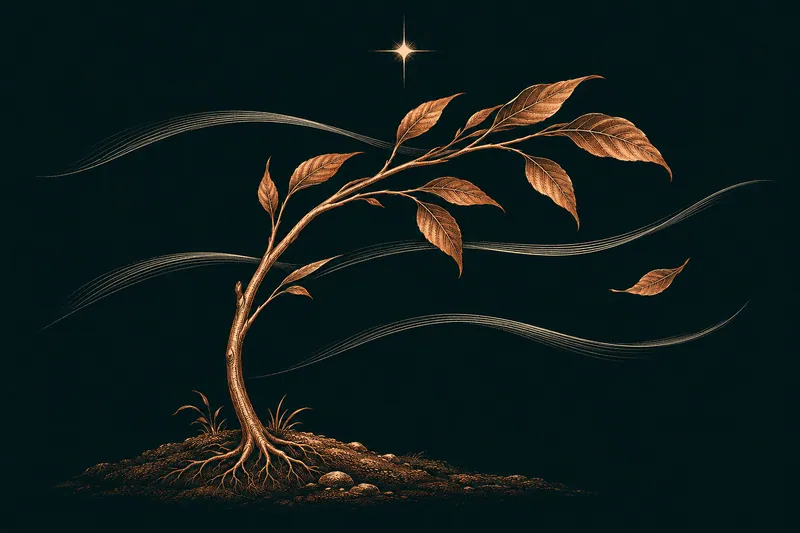
Where Swati begins in Libra
Two friends compare their Kundlis and discover that both have a Libra Moon. One chart gives Chitra as the birth star and the other gives Swati. That is possible because Libra contains the end of Chitra, all of Swati and the beginning of Vishakha. In a sidereal birth chart, look beside the Moon for its degree within Libra. Swati begins at 6°40′ and ends when Vishakha begins at 20°00′.
The word Janma means birth. For Janma Nakshatra use the Moon’s position when you were born. If today’s Panchang says Swati, it is telling you where the Moon is for the time shown in that calendar. You can visit the same birth chart next month and still find your birth Moon at its recorded position.
Read all four Swati padas
Read these boundaries as degrees inside Libra. Pada one runs from 6°40′ to 10°00′. Pada two runs from 10°00′ to 13°20′. Pada three runs from 13°20′ to 16°40′. Pada four runs from 16°40′ to 20°00′. The start of each range belongs to the new pada. At exactly 13°20′, halfway through Swati, the third starts.
Suppose your birth Moon reads 18°20′ Libra. Look for the two boundaries around that number. It comes after 16°40′ and before 20°00′, exactly halfway through pada four. If the position is close to a boundary, use the minutes beside the degree. A rounded entry of 17° could hide the difference between 16°39′ and 16°41′, which fall in different padas.
- Pada 16°40′–10°D9: Sagittarius
- Pada 210°–13°20′D9: Capricorn
- Pada 313°20′–16°40′D9: Aquarius
- Pada 416°40′–20°D9: Pisces
At an exact boundary, read the segment that starts there.
Vayu, Rahu and Venus have different roles
Traditional Jyotish associates Swati with Vayu, the deity of wind, and groups it with the movable nakshatras. The name Rahu appears when you read its nakshatra lord in Vimshottari dasha. Venus appears as the lord of Libra, the sign that contains Swati. All three names can appear on the same chart without describing three planets in the same place.
For example, a birth Moon in Swati gives a remaining portion of Rahu’s mahadasha at birth under this system. To see where Rahu itself was placed, look for Rahu’s own row in planetary positions. To learn which period is running today, open the dasha timeline for the selected chart. Those are three different questions, each with a place to look.
What independence can look like in ordinary life
Wind gives this traditional reading a practical image. Picture someone learning a new route to work. They try two different streets, notice which crossing slows them down and settle on a route that suits them. The same curiosity might show up in a team member who wants room to test an idea before presenting it. Another person might recognise it in moving easily between languages or groups of friends.
If you are reading Swati for yourself, recall one change you welcomed and one commitment you chose to keep. What helped you decide when to bend and when to stay the course? That question makes the symbolism personal while leaving your job, relationships and choices open to your own experience.
Keep your curiosity going.
All stories ↗
Rohini Nakshatra and its four padas in Taurus
Find Rohini Nakshatra in a birth chart, identify all four pada boundaries in Taurus and use a worked Moon example to understand its traditional meaning.
How to read your Navamsa chart (D9) alongside D1
Follow Venus from a birth chart into the Navamsa. Learn how to find a D9 sign, recognise vargottama and read a relationship question in both charts.